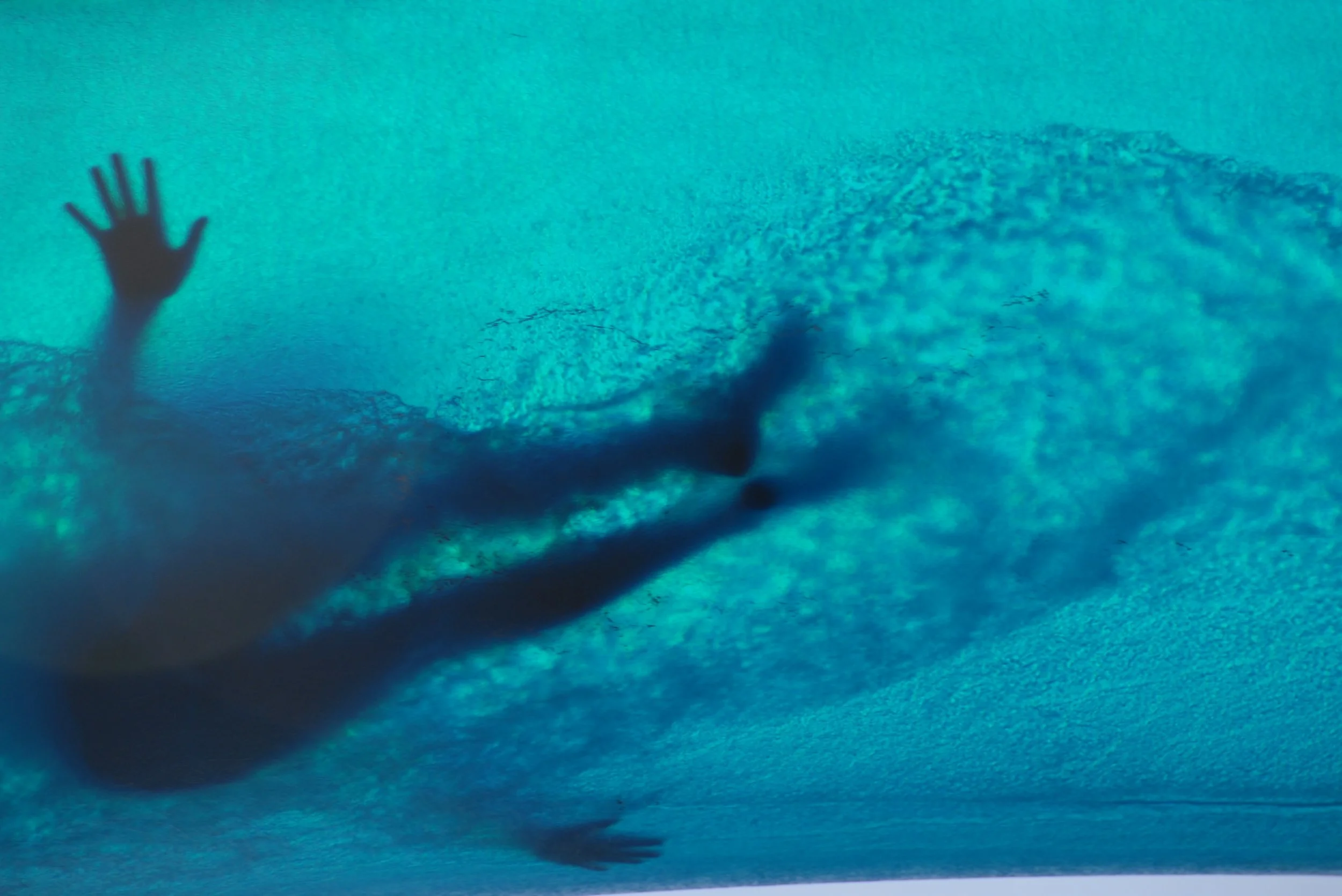
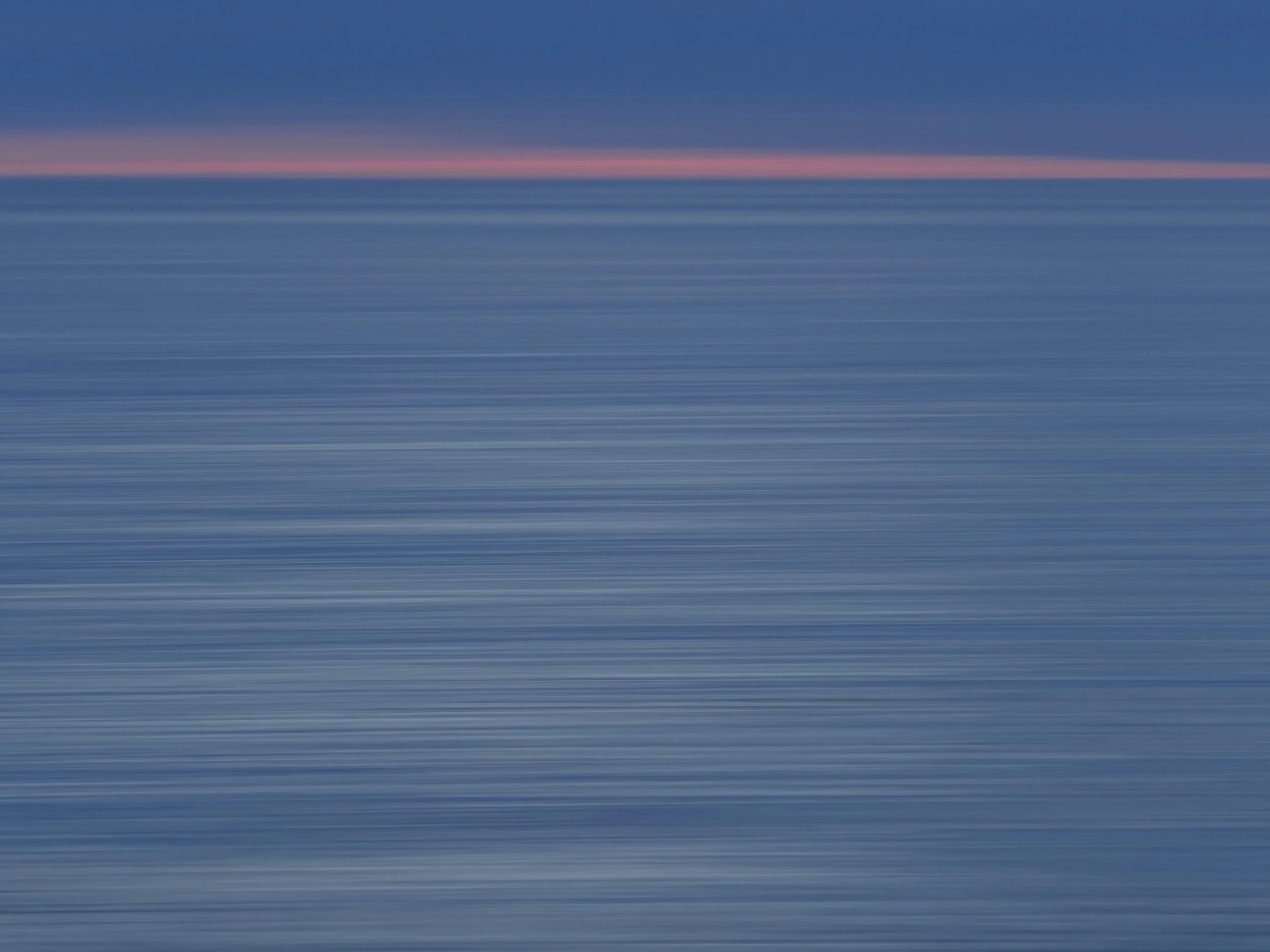
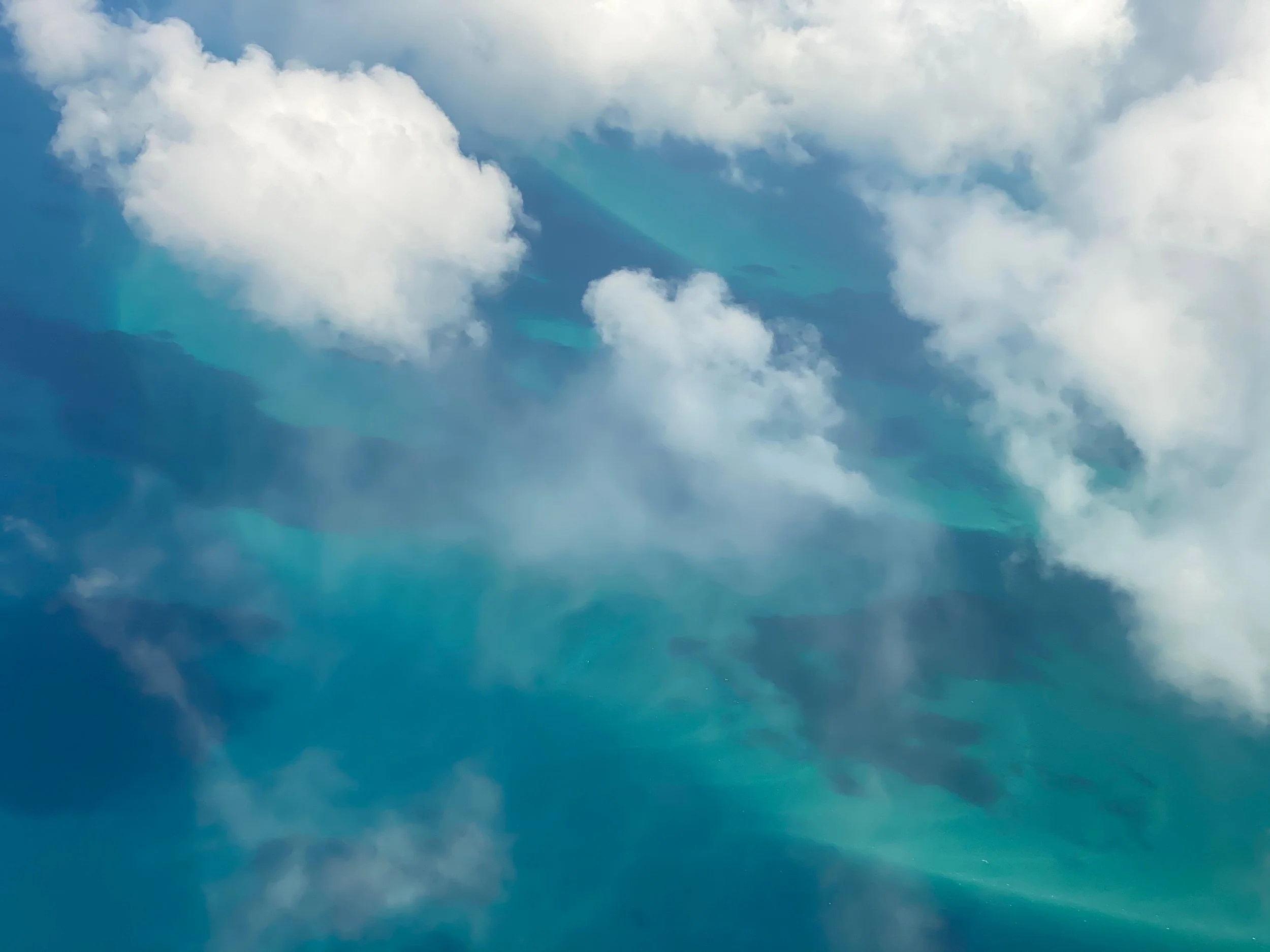
Life's a beach. An excerpt from my exhibition 'Under The Lens', these images tell the story of the many changing moods of the sea. Taken in my home away from home, Glenelg, Adelaide.
Son number three. His walks on the wild side make him an excellent photographic subject. Now that he has got his adrenaline by becoming a pilot and setting up FIFO allied health service (www.lifthealthgroup.com.au) we can maybe expect to see some aerial shots appearing here soon!
If you ever spend some time with me and we walk past a puddle, you’ll learn that I love reflections, especially those that I get by shooting through reflective glass. Particularly rainy glass.
All sorts of interesting things are on the beach other than beautiful shells, and in some cases rocks, if you look out for them. In my wildest dreams, I never could have predicted that in mid 2025, our previously beautiful metropolitan beaches would be ravaged by one of the world’s most extensive toxic algal blooms. It is a challenge to continue to see underlying beauty, but I find that the decimated populations of razorclam shells provide lovely shapes as illustrated by the final few images.
Son number two. He's a water baby.
Elusive trails: Victor Harbour to Granite Island (SA), and The Lake District of England (UK). Via the remote Flinders Ranges (SA). Don't worry, the figure is not the grim reaper.
Yes, I am obsessed with hands. Hands and feet.
Abstracts. And more abstracts.
My niece, Marlena. On the way to the funeral for my late father-in-law.
This section is all about the circle of life. And the importance of documenting it sensitively from start to finish.
I love the medium of black and white – how it forces you to focus on composition and structure, and elements of graphic design.
Windows and Doors showing the effects of the wind.
My son (number one) once wrote a composition entitled 'all my father left me was the moon' (a setting of the Michael Leunig poem). That same son noticed one night that the moon had a halo around it, and begged me to take a photo of it. Through subsequent googling, I learnt that this beautiful phenomenon is termed the '22-degree lunar halo' - whereby light is refracted through high cirrus clouds, causing a halo with a radius of 22 degrees around the moon.
My beautiful honorary grand-daughter Aria, who is going to be an Opera singer one day, and win an Aria. If she’s not too busy being a water baby.
Her older sister Tiana, is a rainbow child.
Another example of musical ability within my family: son number one, performing his solo cabaret show 'Scarred For Life'. He details the story of his ruptured spleen – a highly traumatic event for all of us. The red curtain in the background is symbolic of the substantial blood loss that he sustained. Second Image is a fortnight after the accident, and his hands are deathly white from uncorrected anaemia.
Another award winning show, ‘30,000 Notes’ is a multimedia crossartform theatre piece, with video projections which play across an ocean of notes whilst listening to his pre-recorded original choral compositions in binaural sound. Yes, I’m captivated by shadow photography too!
You can visit his website for further live excerpts (www.joshbelperio.com)
I love weather, in whatever form it comes. Rainbows, torrential rain, seafog, lightning and clouds. I also love the interaction of weather with the sea.
There is however, a fine line between spectacular demonstrations of Mother Nature, and events that represent an everyday climate crisis, like more severe weather events. The final image in this collection shows bushfire smoke thickly enveloping the coastline towards sunset.
The Coorong and Middleton region, South Australia. A land Colin Thiele described as 'the cold, wet underbelly of the world.' I disagree with his description, I think it’s more like an exquisite wilderness complete with ever changing beauty.
A considerable advantage of the town in which I've built my nest, Adelaide: all of its beaches face West. There are some spectacular sunsets, if you keep an eye out for them. The real challenge is to try and do something different with them, something that others have not seen.
Occasionally even the man-made light shows are rather spectacular, such as these nightly projections at the inaugural Winter Alpine Festival at Glenelg, titled “Storm” to which there was an accompanying soundtrack which was fabulous.
So many flights over the last few years from SA to Qld. Window seats are my favourite, I see something entirely different and unique every time.
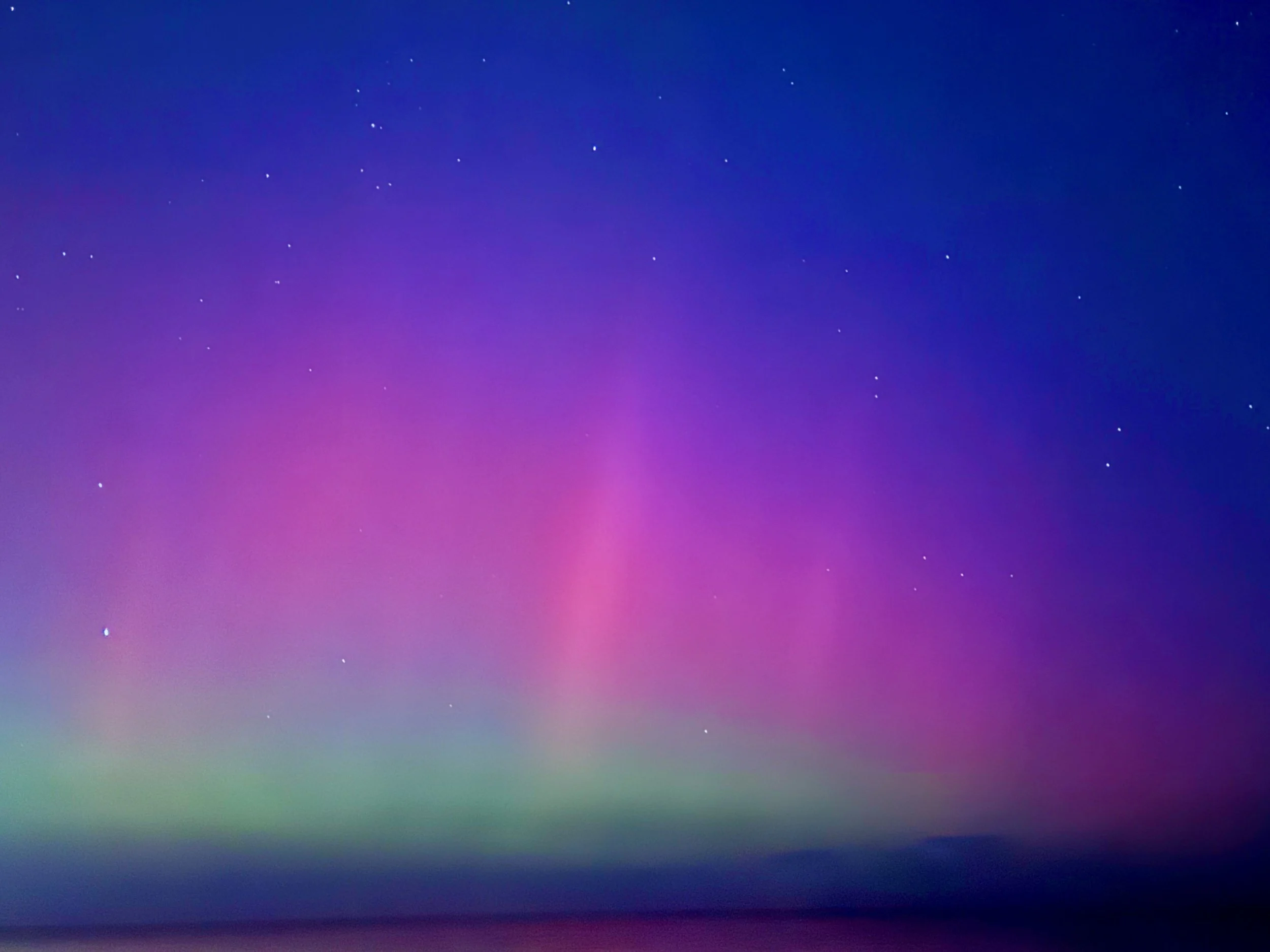
With my interest in weather and meteorology, it's not surprising that I've been an aurora hunter for several decades including my time in the Lake District of Northern England in the 1980's, when I would regularly catch a train to Scotland to try and catch the Aurora Borealis. (without success). That was the days before smartphones, and my awareness that there are solar cycles which make Tasmania and Southern Australia good destinations for seeing the Aurora Australis. In 2024/25, we are at the peak of our current 11 year solar cycle. It was a most amazing evening when I managed to see my first aurora at our local beach of Glenelg during a geomagnetic storm level 5. Almost life changing. From now on, you know where I'll be.
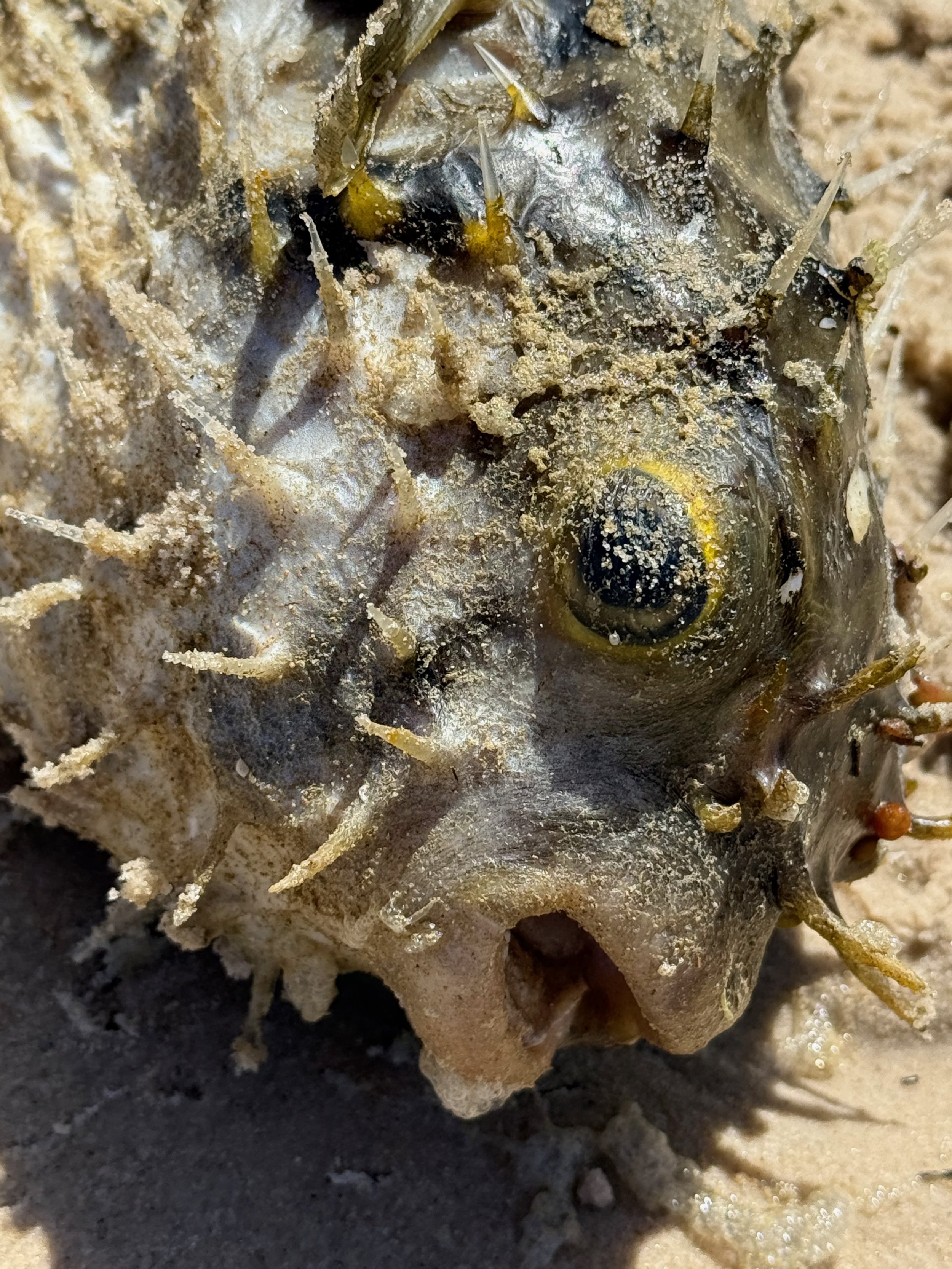
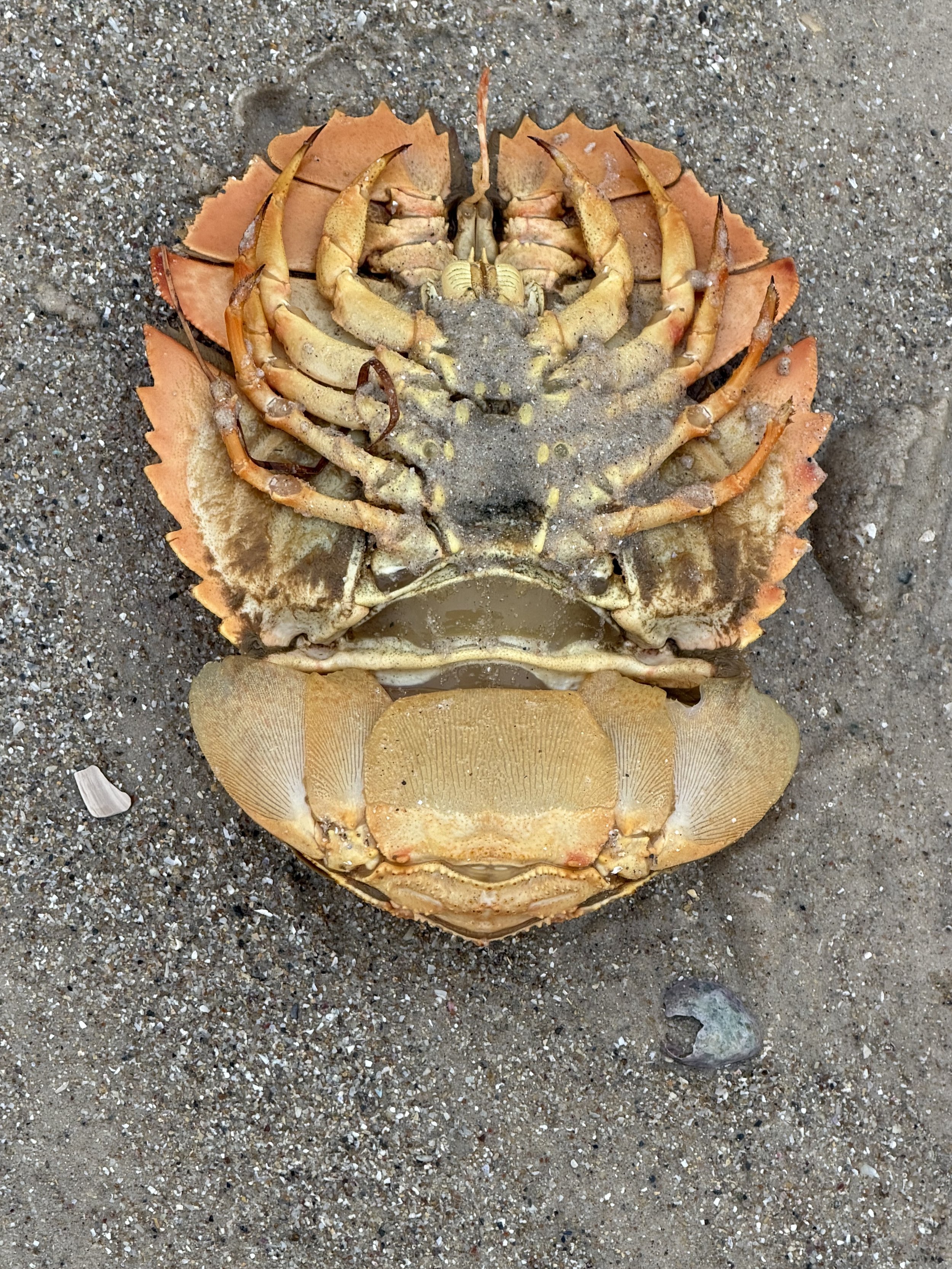
When this devastating environmental catastrophe commenced, we were told that only creatures with gills would be affected, such as fish and those shown in this confronting series of images. Occasionally we stumbled upon fish that were taking their last breaths after literally jumping out of the lethal water that was killing them. Throwing them back was therefore not an alternative. The most susceptible species of all were the baby leatherjackets usually bluefin ones, and they head the leaderboard of mortalities on iNaturalist.
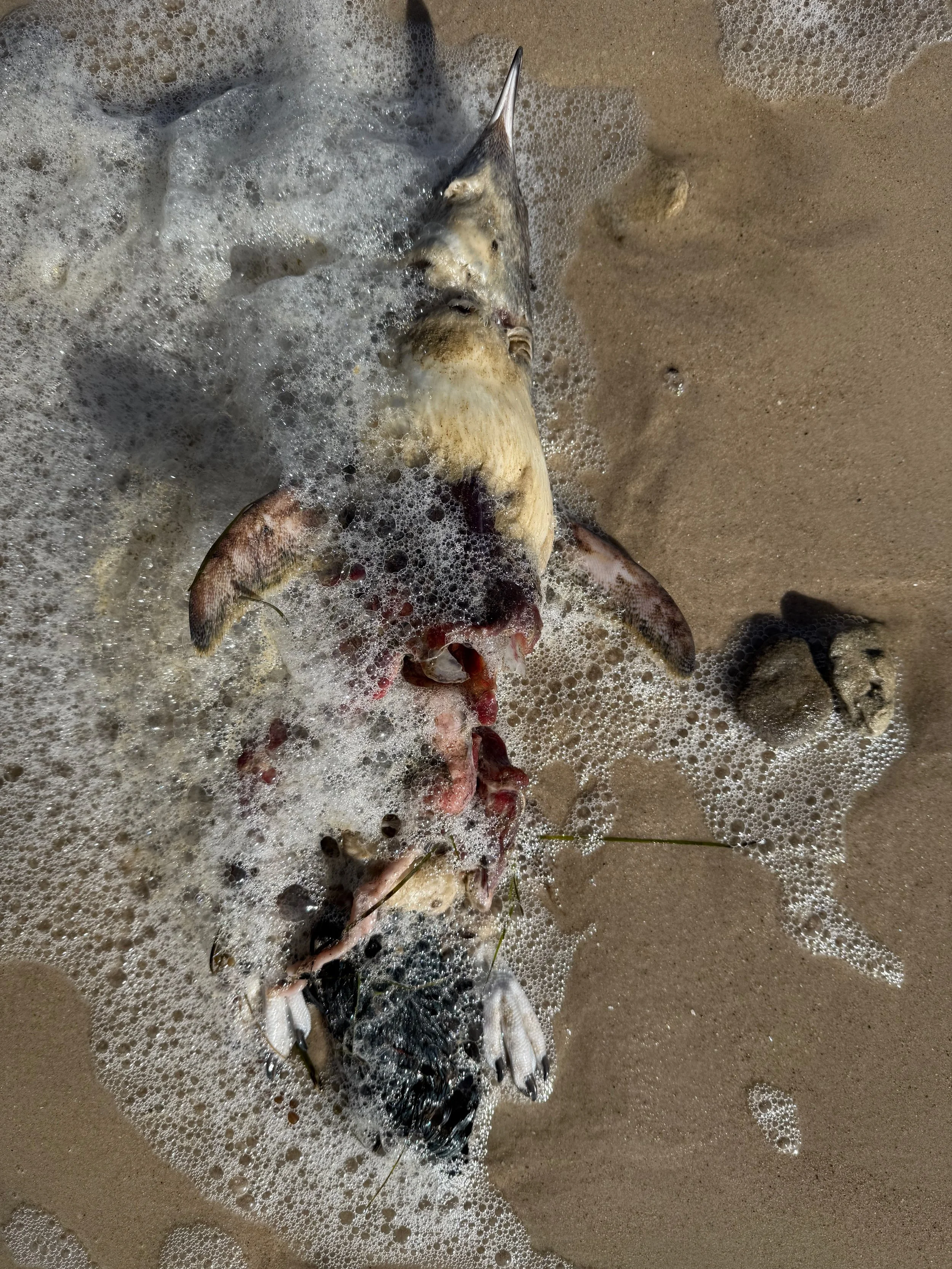
As the toxic algal bloom worsened, we soon saw creatures without gills being affected - mammals (seals, dolphins, water-rats, whales); and birds. Not only were shorebirds affected, but also terrestrial birds such as the galah pictured here. Seagulls in particular were frequently seen feasting on dead fish flesh, a possible mechanism in their demise. However we soon learnt that the winter part of the problem was due to a highly toxic and obscure phytoplankton called Karenia Cristata, which produced harmful neurotoxins such as brevetoxins. These could remain in the water even after the cells disappeared, and could also become airborne on windy days. These aerosols could have killed some birds, and they were also causing eye irritation, runny noses, sore throats and asthma in some humans.
Already the mass marine mortalities as documented on research sites like iNaturalist (via data uploaded from more than 1200 citizen scientists), number in the millions. When crustaceans, molluscs, bivalves, oysters and other such species are added, the numbers are impossible to quantify and likely extend into the billions. Worms and starfish have also been prominently affected.